


 Sign in


 Profile
 Signout

Common Functional Groups Table PDF: Names, Structures & Examples
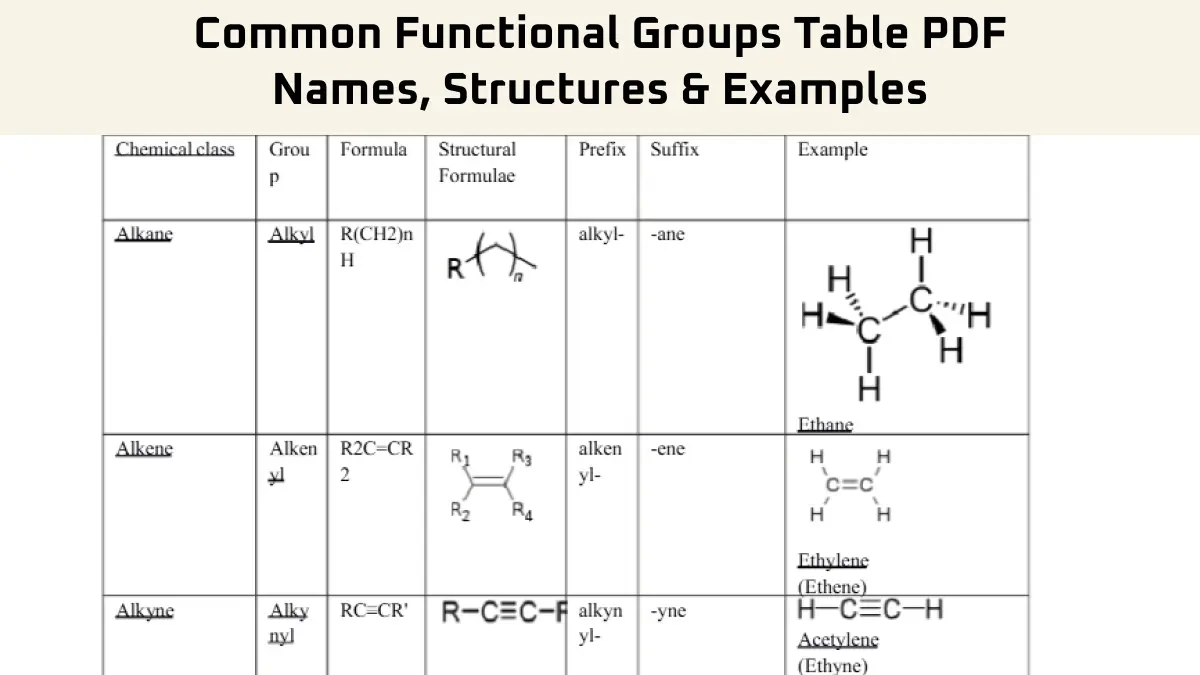

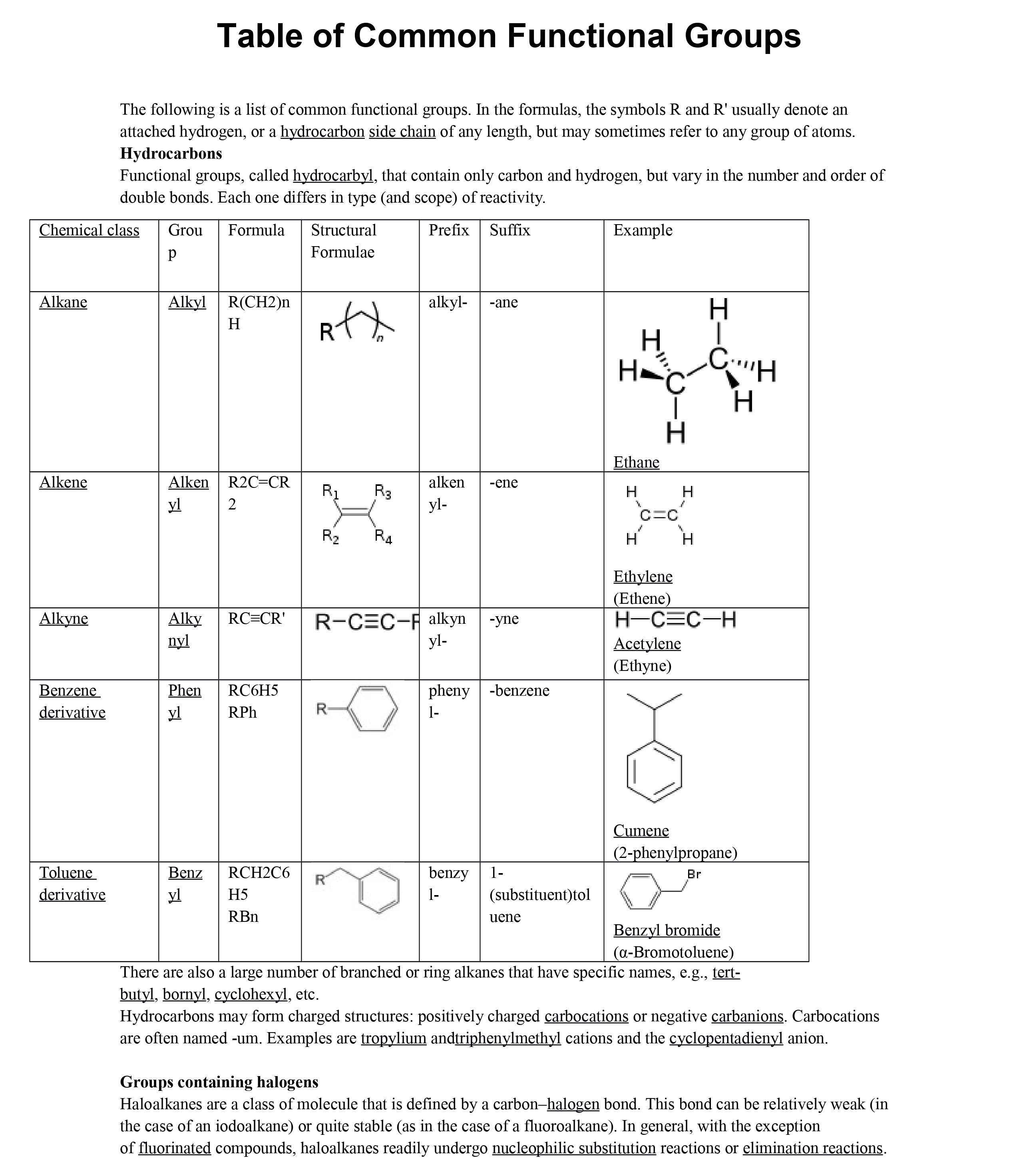
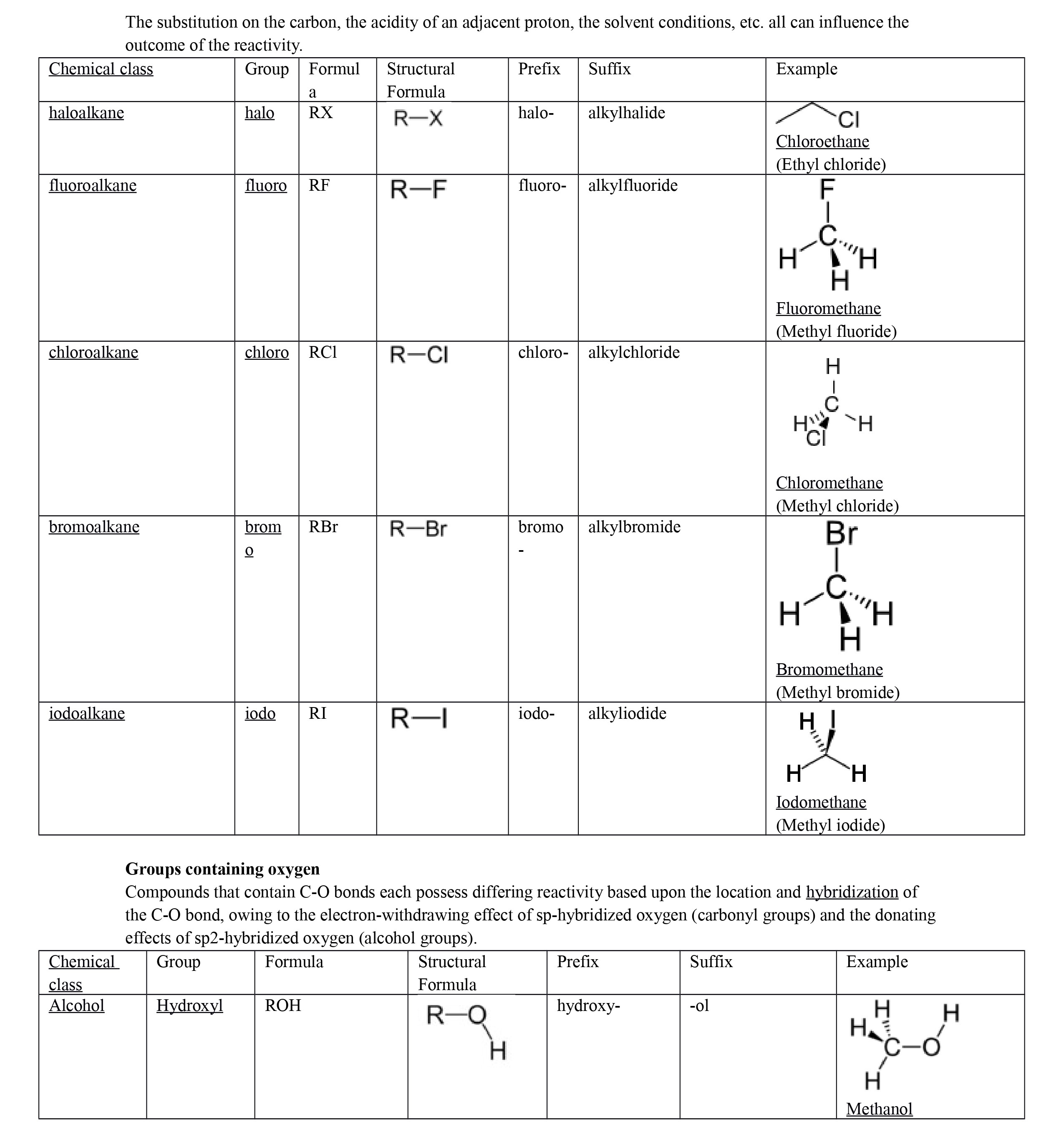
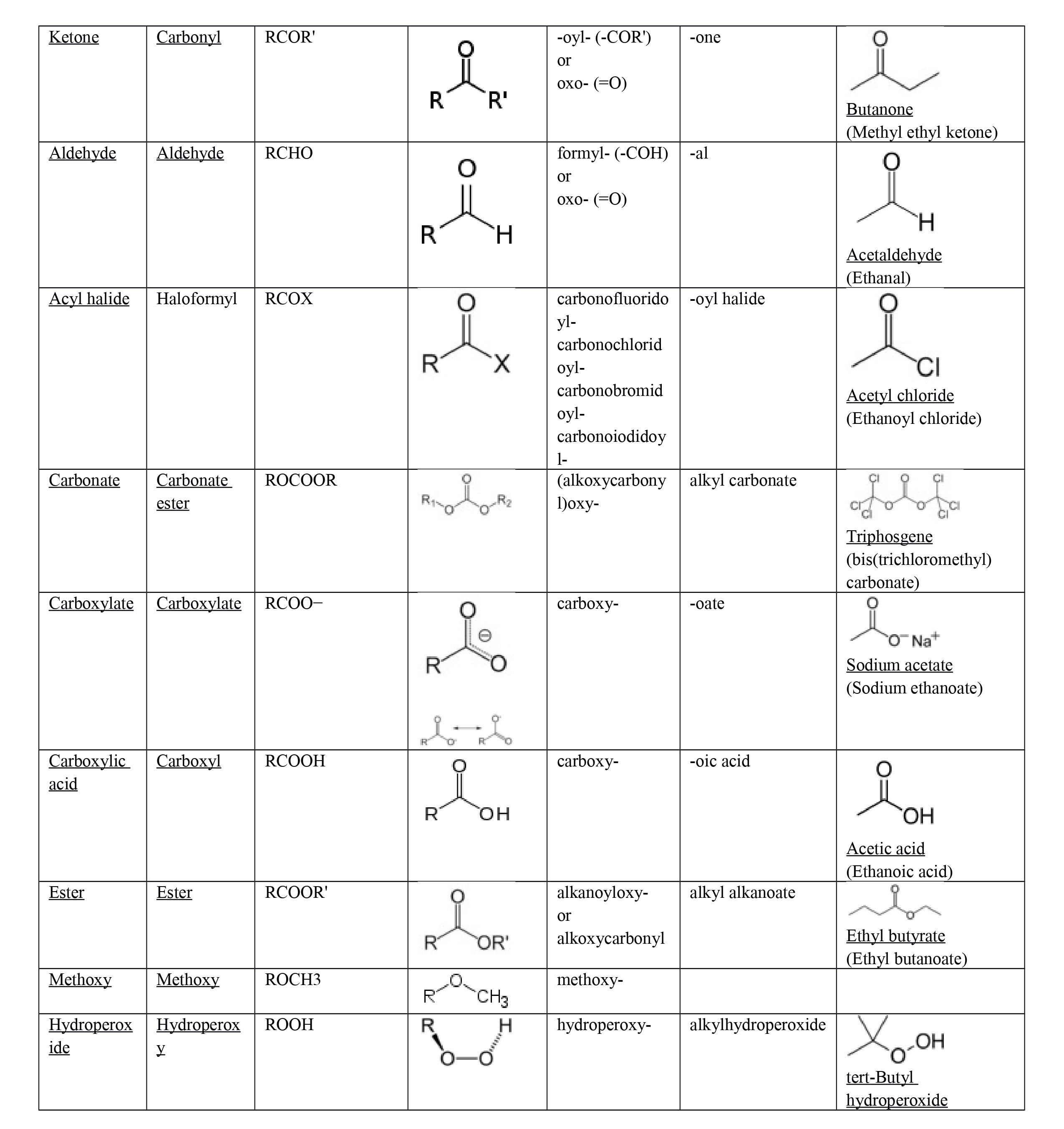
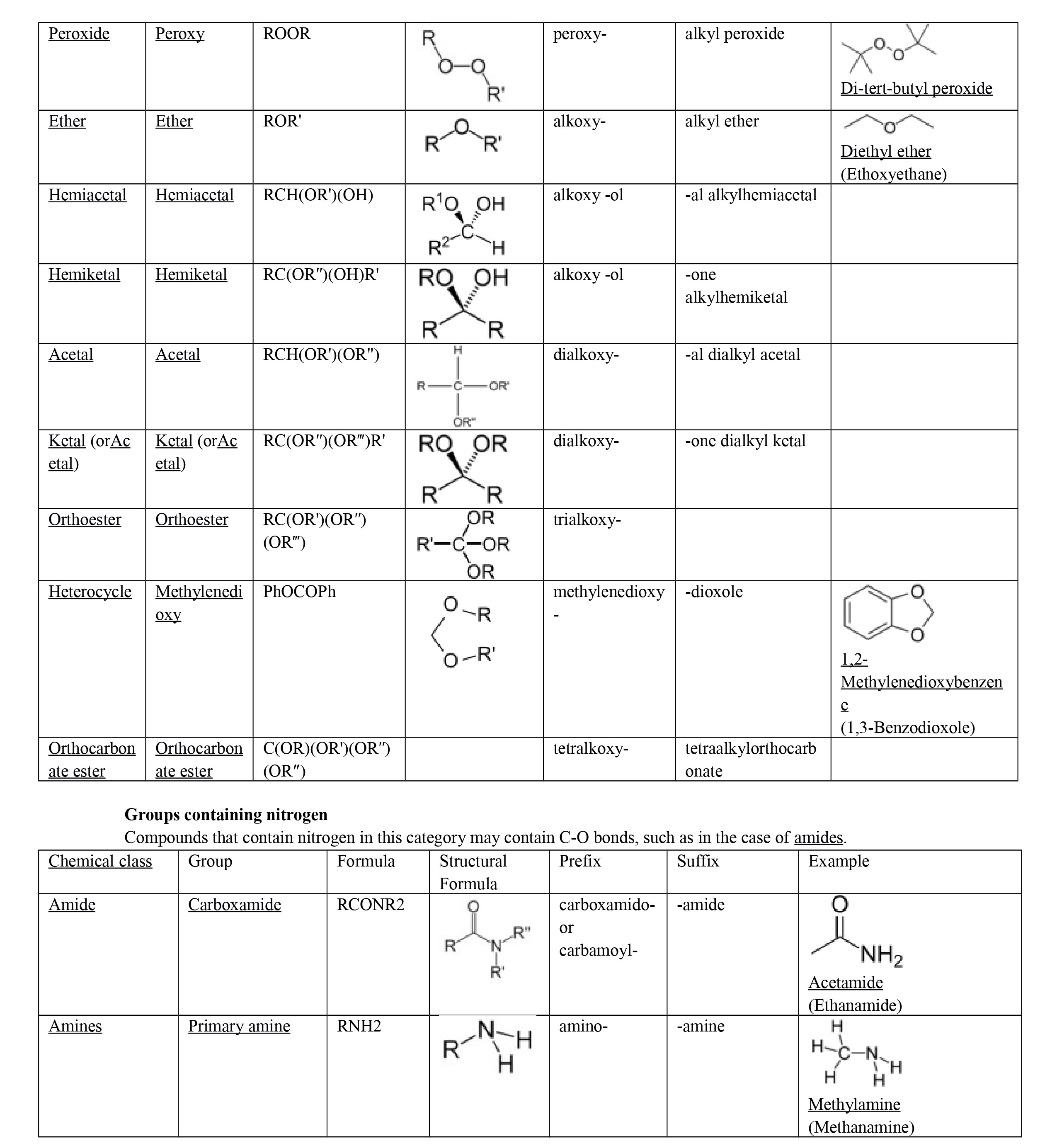
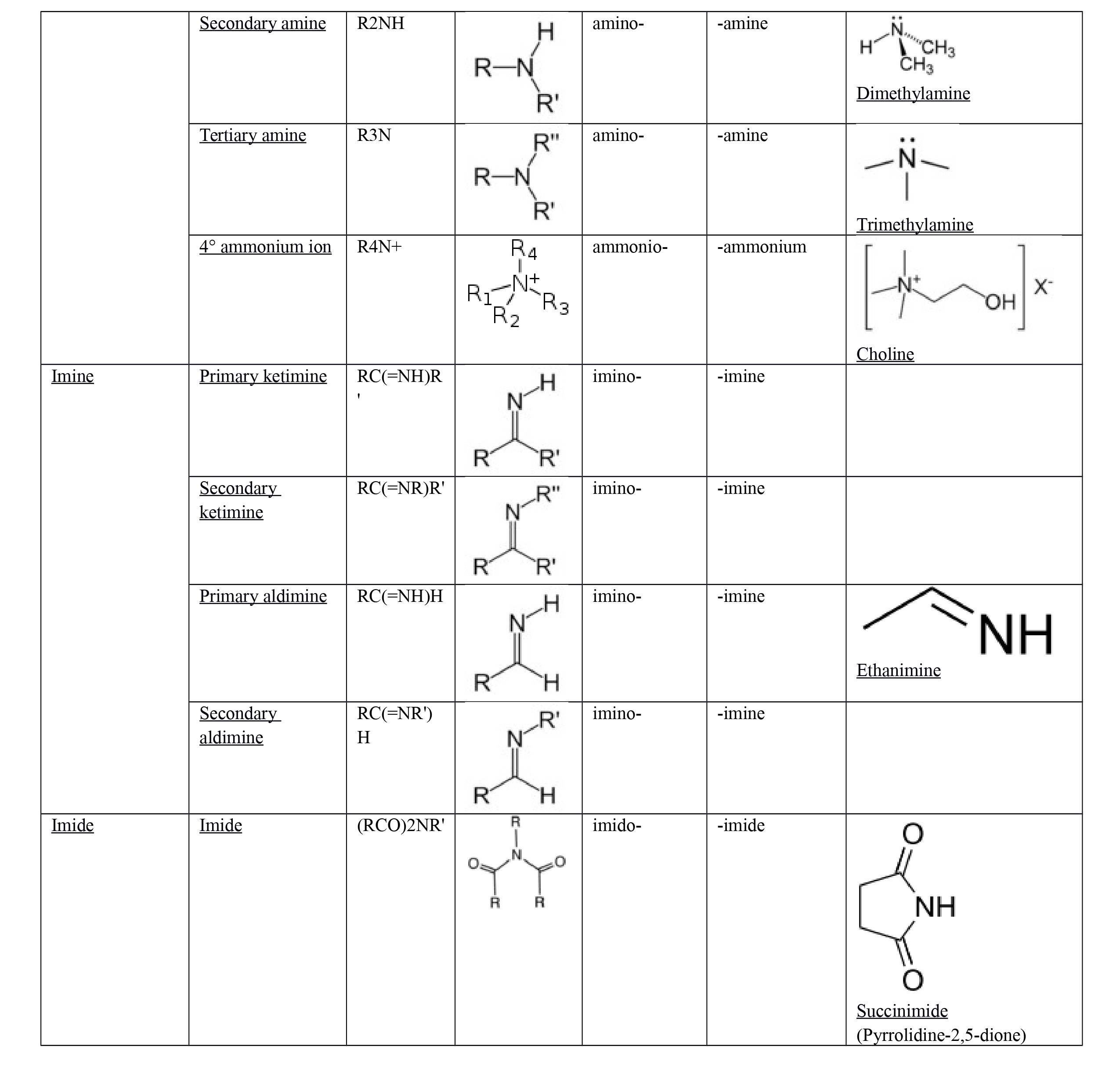
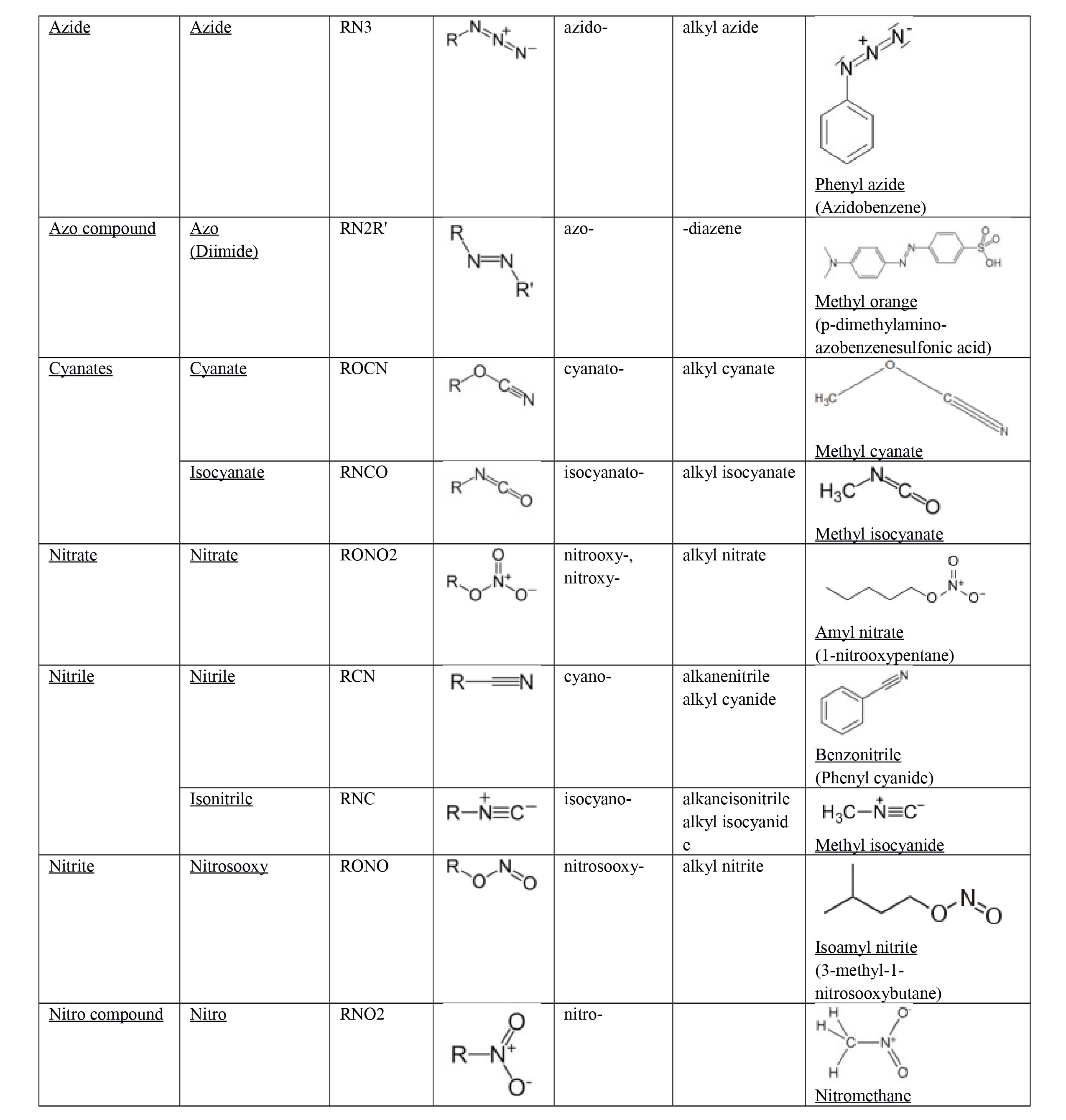
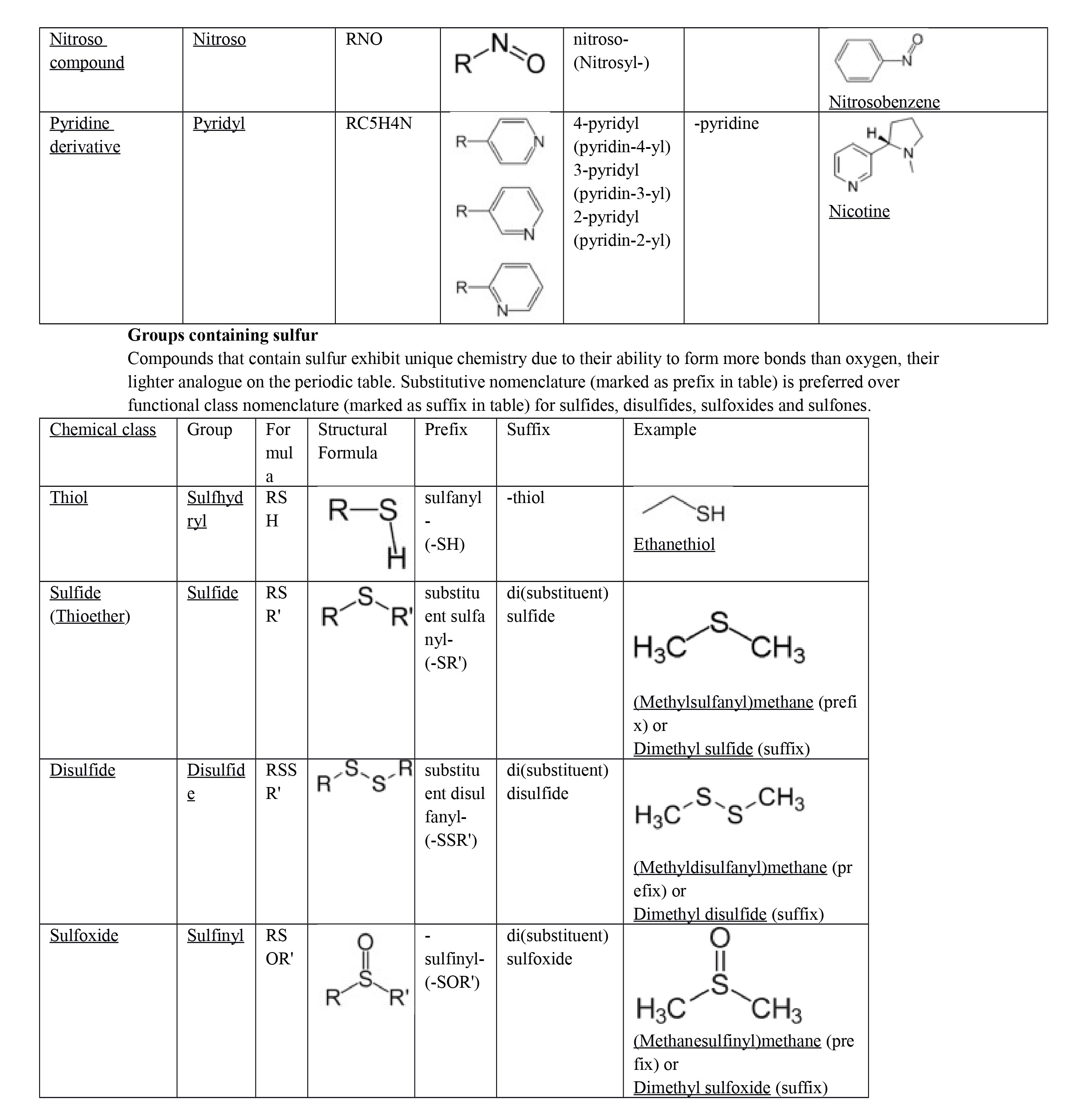
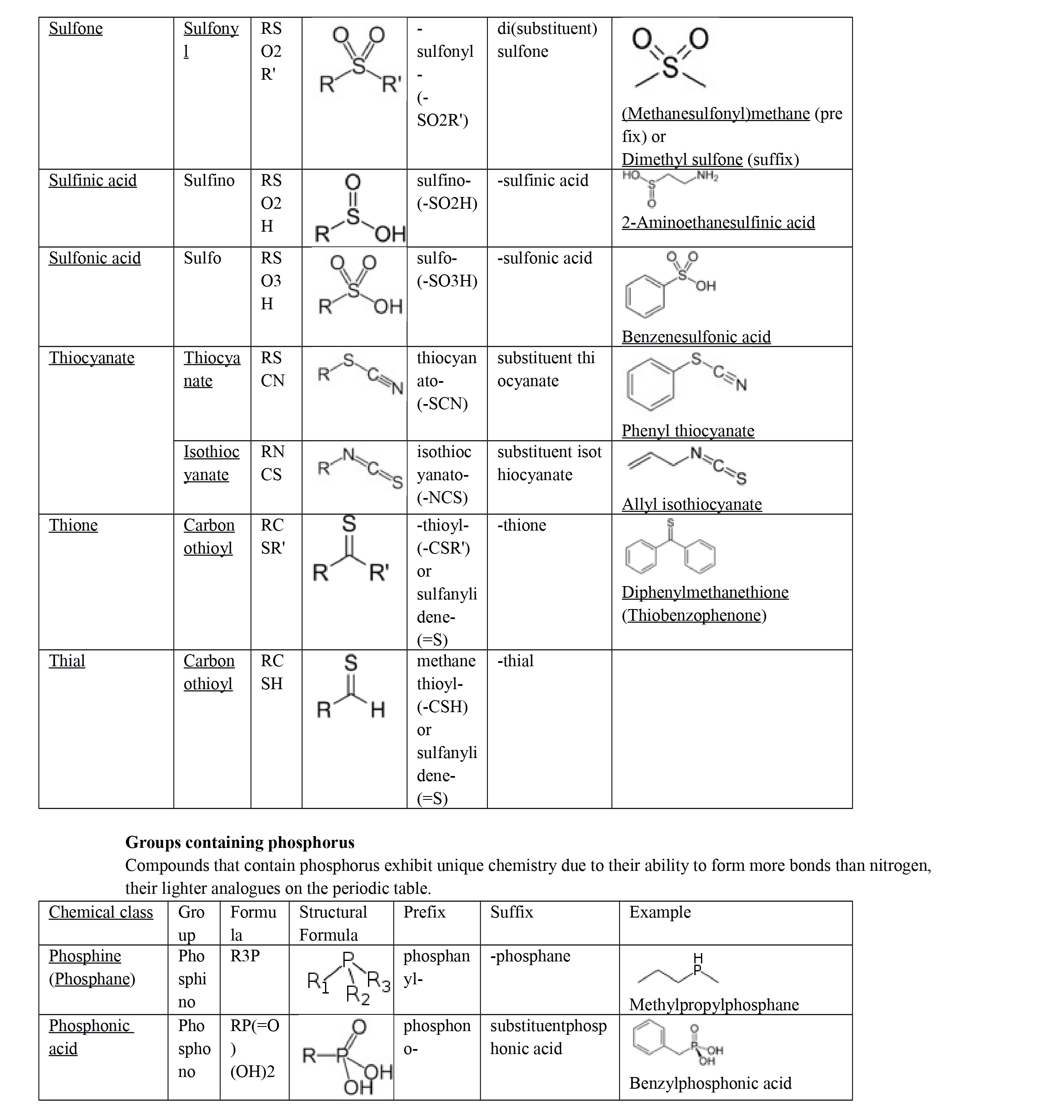
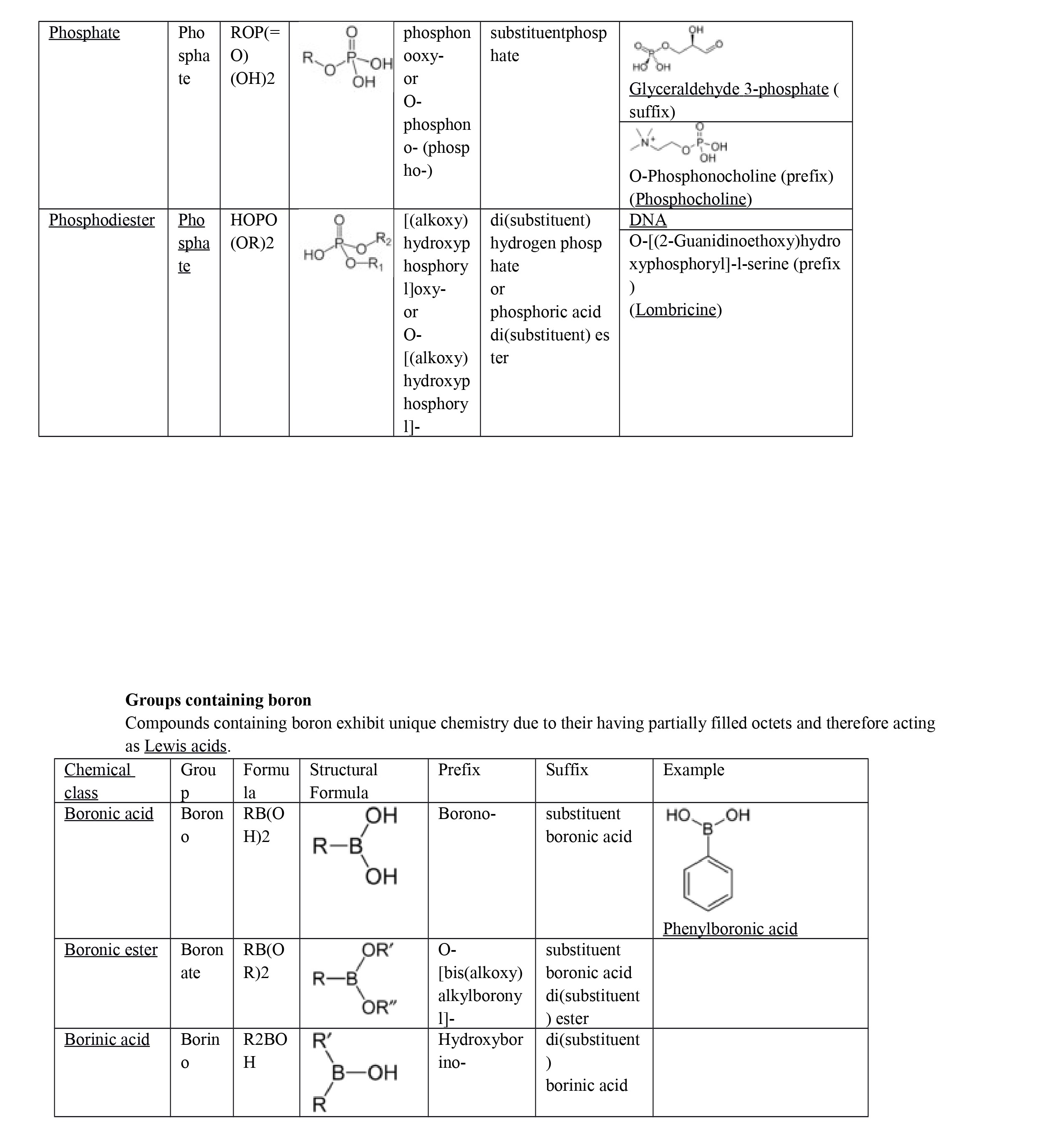
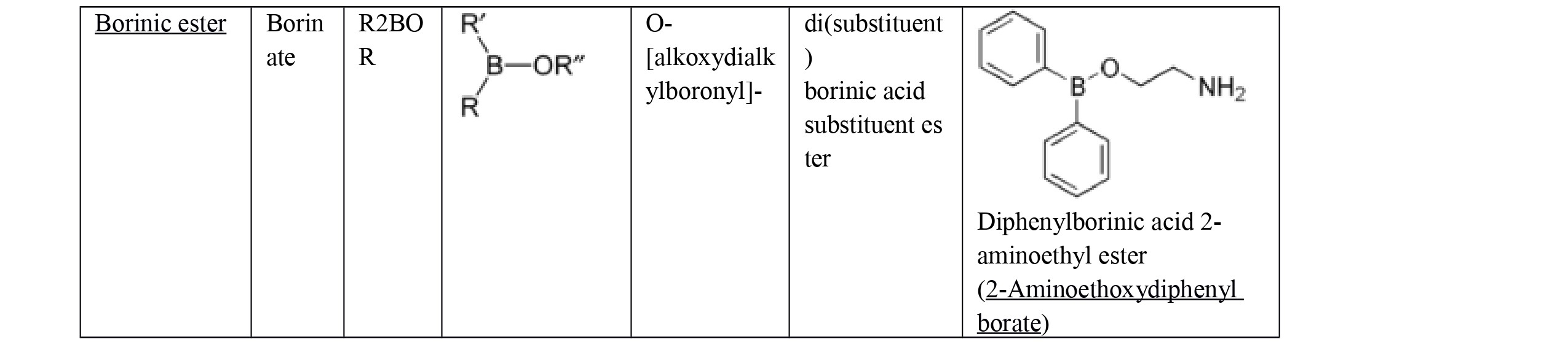
A Common Functional Groups Table: Names, Structures & Examples helps students identify organic compounds by their chemical structures and characteristic groups. Some of the examples are alcohol (-OH), aldehyde (-CHO), ketone (-CO-), carboxylic acid (-COOH), amine (-NH₂) and ester (-COOR).
Function groups affect the reaction nature of organic compounds and how the compounds are named. Knowing the formula, prefix, and suffix of the functional groups make it easy to learn organic chemistry, especially for Class 11 and 12, NEET, and JEE.
Students may use the functional groups pdf for revision of chemical structure, formula, prefix, suffix, and example.
The attached reference contains the table for hydrocarbon, halogen, oxygen, nitrogen, sulfur, phosphorus, and boron containing functional groups.
👉 Download Now: Common Functional Groups Table PDF
Why are functional groups important in organic chemistry?
Functional groups help students understand the chemical behaviour of organic compounds. They are used to classify substances, predict common reactions and assign systematic names.
For NEET and JEE preparation, students should practise identifying functional groups in structural formulas and learn their naming rules. Understanding the difference between aldehydes and ketones, alcohols and phenols, or amines and amides can prevent common mistakes.
----
👉 CBSE Class 12 Study Materials
CBSE Class 12 study material includes latest syllabus, sample papers, NCERT books and solutions, previous year question papers, chapter-wise important questions, case study questions, assertion-reason questions, and competency-based questions — all updated as per the latest CBSE board exam pattern.



 Home
 Quiz
 Short News
 Web Story
 Get latest Exam Updates