

 Sign in


 Profile
 Signout
CBSE Class 10 Science Exam 2026-27: Top 50 Most Important MCQs with Answers for Last-Minute Revision


We've compiled the top 50 most important CBSE Science MCQs with detailed answers. These 50 MCQs include questions from all the high-weight chapters of Physics, Chemistry, and Biology.
These MCQs are most likely to appear in the board exam because they have been repeatedly asked in previous years' papers. Detailed answers are provided for each MCQ, helping you understand not just the answer but also the concept. If you carefully read these 50 MCQs tonight, your confidence and accuracy will improve in the MCQ section of the Science Board Exam.
You can download the Top 50 MCQs PDF from the table below and complete your last-minute MCQ revision for the Science Board Exam.
CBSE 10th Science Important MCQs with Answers
Here are 50 important multiple-choice questions (MCQs) from all chapters in your 10th Science syllabus along with their answers:
Here is the comprehensive list of 50 high-yield MCQs for the CBSE Class 10 Science Exam 2026-27, covering Physics, Chemistry, and Biology. These questions are based on NCERT guidelines and frequent patterns in previous year papers.
CBSE Class 10 Science: Top 50 MCQs
Here are all 50 questions with answers in the requested format:
1. Which of the following is a decomposition reaction?
(A) H₂ + Cl₂ → 2HCl (B) 2H₂O → 2H₂ + O₂ (C) Zn + CuSO₄ → ZnSO₄ + Cu (D) NaOH + HCl → NaCl + H₂O
Answer — B
2. The pH of a neutral solution at 25°C is:
(A) 0 (B) 14 (C) 7 (D) 1
Answer — C
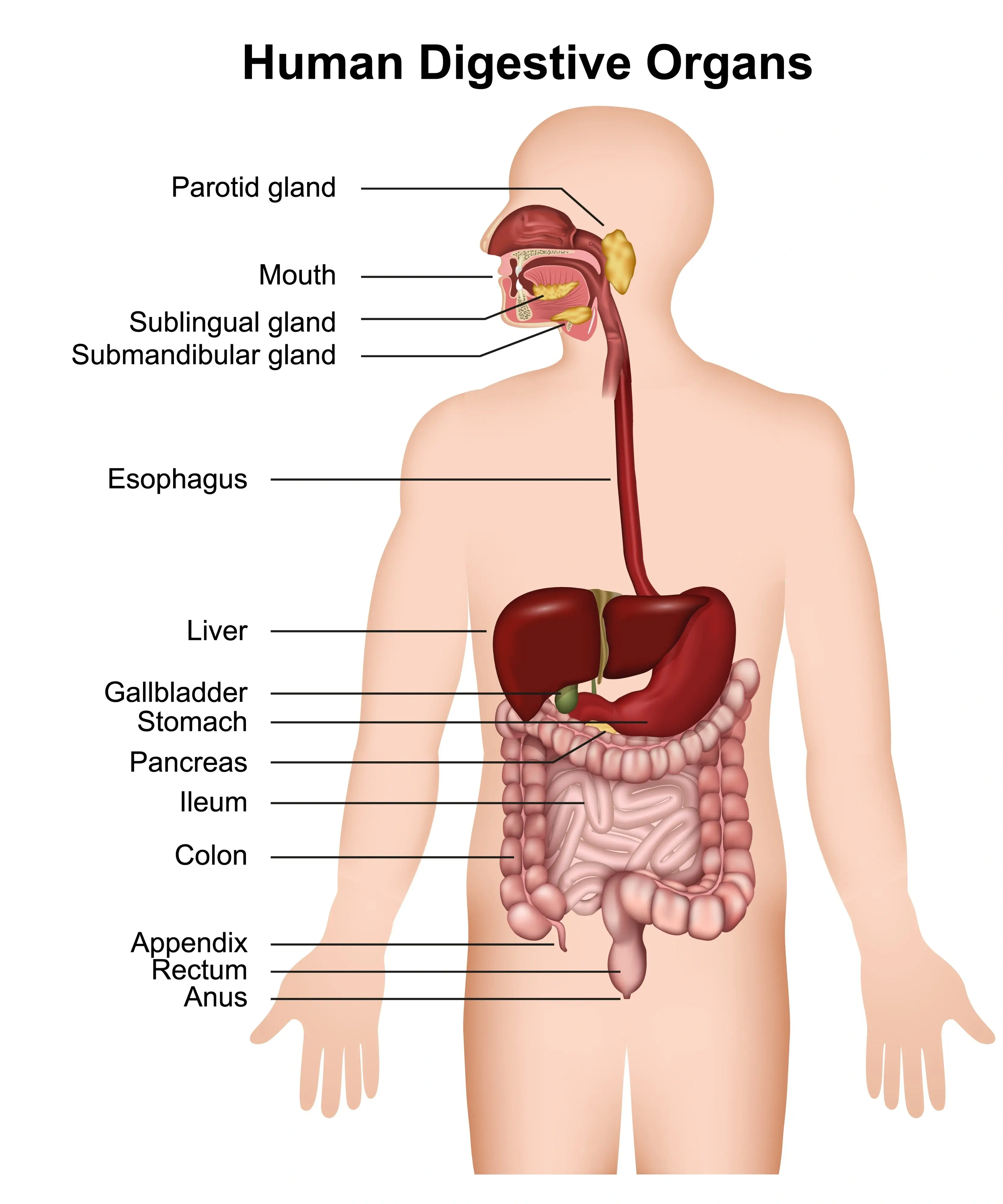
3. In which part of the human body is the process of digestion completed?
(A) Stomach (B) Large Intestine (C) Small Intestine (D) Mouth
Answer — C
4. A lens has a power of -2.0 D. Its focal length is:
(A) 50 cm (B) -50 cm (C) 20 cm (D) -20 cm
Answer — B
5. The only metal found in a liquid state at room temperature is:
(A) Sodium (B) Mercury (C) Bromine (D) Gallium
Answer — B
6. The xylem tissue in plants is primarily responsible for:
(A) Transport of water (B) Transport of food (C) Transport of amino acids (D) Transport of oxygen
Answer — A
7. The SI unit of electrical power is:
(A) Volt (B) Ampere (C) Watt (D) Ohm
Answer — C
8. An image formed by a concave mirror is real, inverted, and the same size as the object. The object's position is:
(A) At Focus (B) At Infinity (C) At Center of curvature (D) Between C and F
Answer — C
9. The acid found in an ant sting is:
(A) Acetic acid (B) Citric acid (C) Methanoic acid (D) Oxalic acid
Answer — C
10. The refractive index of diamond is:
(A) 1.33 (B) 1.50 (C) 2.42 (D) 1.00
Answer — C
11. The functional gap between two neurons is called a:
(A) Dendrite (B) Synapse (C) Axon (D) Impulse
Answer — B
12. Butanone is a four-carbon compound belonging to the functional group:
(A) Carboxylic acid (B) Aldehyde (C) Ketone (D) Alcohol
Answer — C
13. Which part of the brain is responsible for maintaining posture and equilibrium?
(A) Forebrain (B) Cerebellum (C) Medulla (D) Pons
Answer — B
14. The resistance of a uniform metallic conductor is inversely proportional to its:
(A) Length (B) Area of cross-section (C) Temperature (D) Resistivity
Answer — B
15. A solution turns red litmus blue; its pH value is likely to be:
(A) 1 (B) 4 (C) 5 (D) 10
Answer — D
16. The basic functional unit of the human kidney is the:
(A) Neuron (B) Nephron (C) Alveoli (D) Villi
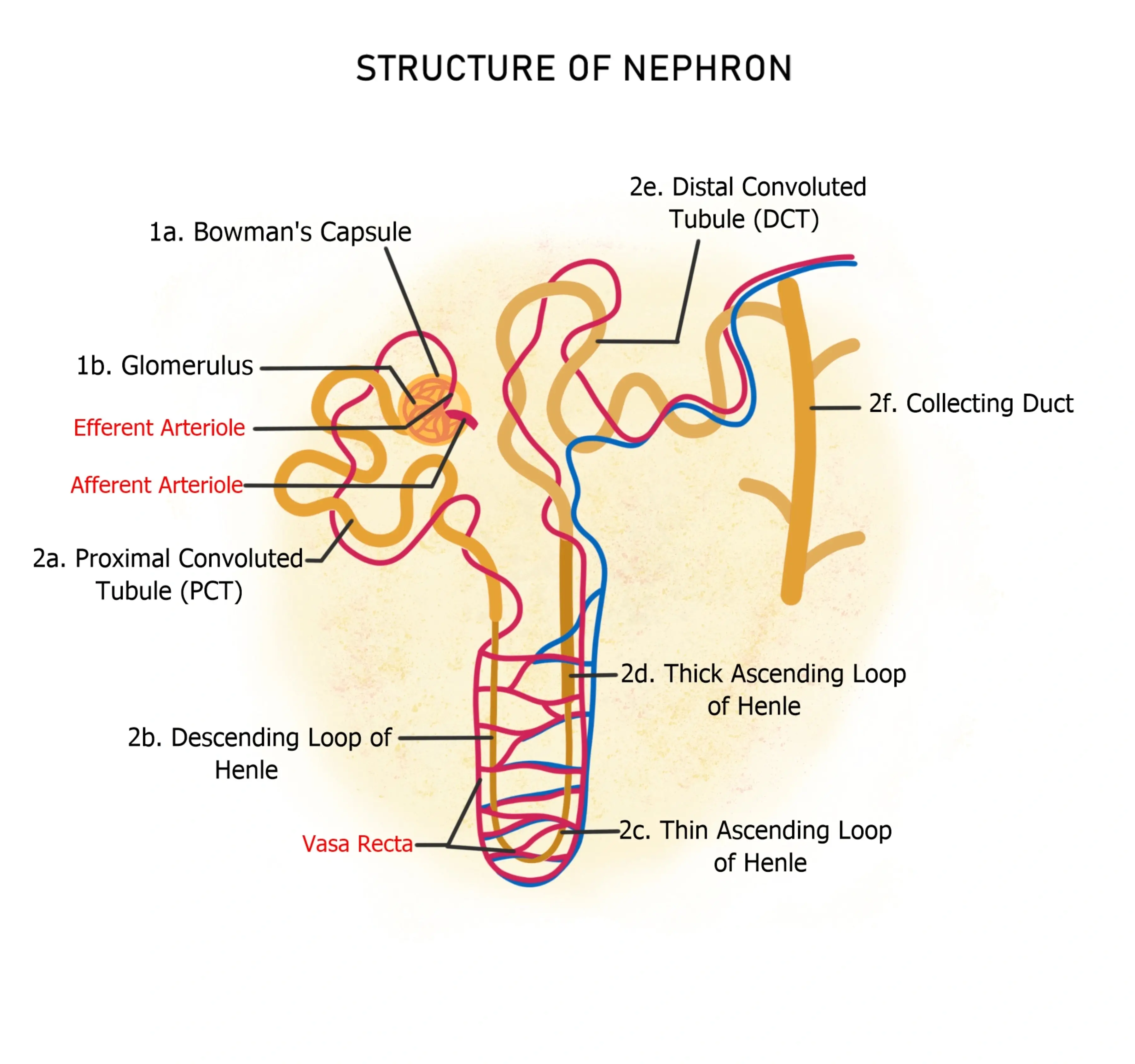
Answer — B
17. Which gas is produced when zinc granules react with dilute sulphuric acid?
(A) O₂ (B) CO₂ (C) H₂ (D) N₂
Answer — C
18. The least distance of distinct vision for a normal young adult eye is about:
(A) 25 m (B) 2.5 cm (C) 25 cm (D) 2.5 m
Answer — C
19. In a flower, the anthers contain:
(A) Sepals (B) Ovules (C) Carpel (D) Pollen grains
Answer — D
20. Which type of mirror is used as a rear-view mirror in motor vehicles?
(A) Plane mirror (B) Concave mirror (C) Convex mirror (D) None of these
Answer — C
21. The chemical formula of Plaster of Paris is:
(A) CaSO₄·2H₂O (B) CaSO₄·½H₂O (C) CaSO₄·H₂O (D) 2CaSO₄·H₂O
Answer — B
22. The SI unit of resistivity (ρ) is:
(A) Ohm (B) Ohm-meter (C) Ampere (D) Volt
Answer — B
23. Exchange of genetic material occurs in which type of reproduction?
(A) Vegetative reproduction (B) Asexual reproduction (C) Sexual reproduction (D) Budding
Answer — C
24. Which of the following is an example of a plant hormone?
(A) Insulin (B) Thyroxin (C) Oestrogen (D) Cytokinin
Answer — D
25. The device used to produce electric current is called a:
(A) Generator (B) Galvanometer (C) Ammeter (D) Motor
Answer — A
26. The splitting of white light into its component colors is called:
(A) Reflection (B) Dispersion (C) Refraction (D) Scattering
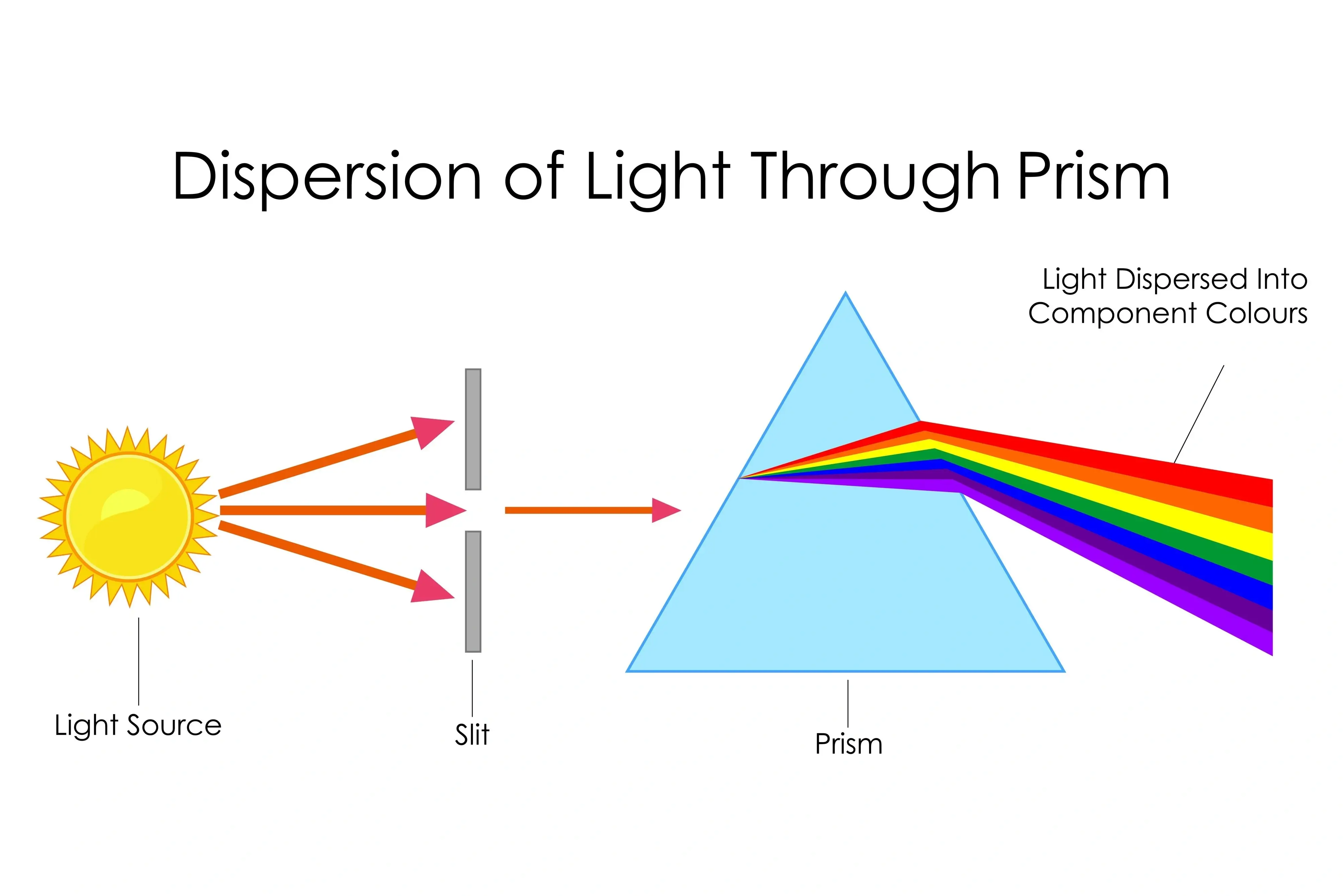
Answer — B
27. Ethane, with the molecular formula C₂H₆, has:
(A) 6 covalent bonds (B) 7 covalent bonds (C) 8 covalent bonds (D) 9 covalent bonds
Answer — B
28. An example of a homologous pair of organs is:
(A) Our arm and a dog's foreleg (B) Our teeth and an elephant's tusks (C) Potato and runners of grass (D) All of the above
Answer — D
29. The primary source of energy for an ecosystem is:
(A) Sunlight (B) RNA (C) DNA (D) Green plants
Answer — A
30. Which element has the electronic configuration 2, 8, 2?
(A) Sodium (B) Aluminium (C) Magnesium (D) Silicon
Answer — C
31. The movement of food in the phloem is called:
(A) Translocation (B) Transpiration (C) Respiration (D) Evaporation
Answer — A
32. A magnetic field line represents the direction of the:
(A) Magnetic force (B) Magnetic field (C) Electric current (D) North pole
Answer — B
33. Which mirror has a wider field of view?
(A) Concave mirror (B) Plane mirror (C) Convex mirror (D) Cylindrical mirror
Answer — C
34. The genotype of a pure tall pea plant is represented by:
(A) Tt (B) tt (C) tT (D) TT
Answer — D
35. The chief constituent of biogas is:
(A) Methane (B) Ethane (C) Propane (D) Butane
Answer — A
36. Rusting of iron is an example of:
(A) Reduction (B) Hydrogenation (C) Oxidation (D) Sublimation
Answer — C
37. The female germ cells in plants are produced in the:
(A) Stamen (B) Ovary (C) Style (D) Stigma
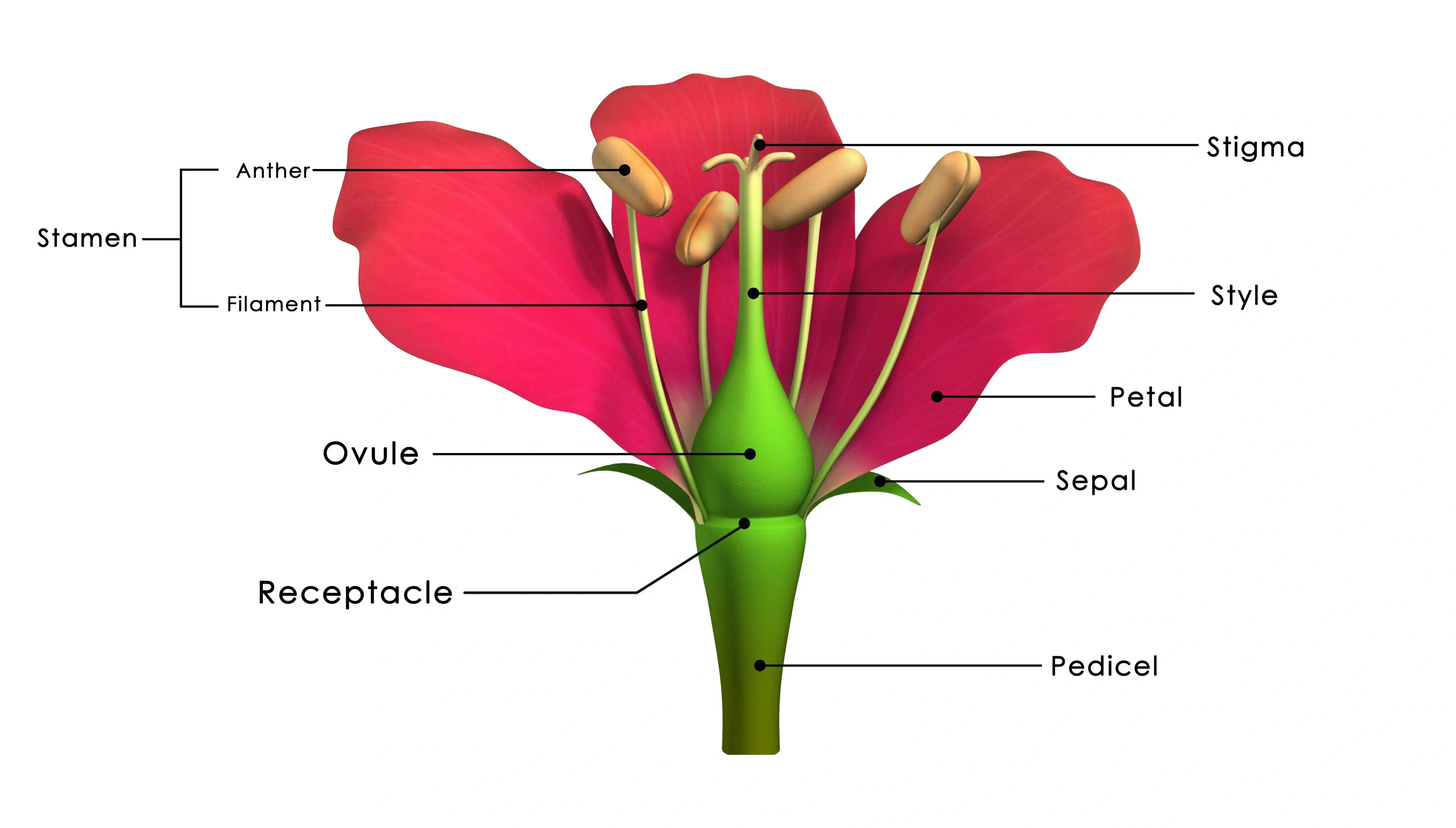
Answer — B
38. The heating element of an electric iron is made of:
(A) Copper (B) Iron (C) Nichrome (D) Aluminium
Answer — C
39. Ozone layer depletion is mainly caused by:
(A) CO₂ (B) CFCs (C) CH₄ (D) O₂
Answer — B
40. Bile juice is secreted by the:
(A) Stomach (B) Liver (C) Pancreas (D) Small Intestine
Answer — B
41. The focal length of a plane mirror is:
(A) Zero (B) One (C) Infinity (D) Negative
Answer — C
42. Non-metals generally form:
(A) Basic oxides (B) Amphoteric oxides (C) Acidic oxides (D) Neutral oxides
Answer — C
43. A zygote which has an X-chromosome inherited from the father will develop into a:
(A) Boy (B) Girl (C) X-chromosome does not determine sex (D) Either boy or girl
Answer — B
44. The formula for magnification (m) of a lens is:
(A) v/u (B) −v/u (C) u/v (D) h/h′
Answer — A
45. Cinnabar is an ore of:
(A) Copper (B) Mercury (C) Iron (D) Zinc
Answer — B
46. What is the common name of Sodium Hydrogen Carbonate?
(A) Washing Soda (B) Bleaching Powder (C) Caustic Soda (D) Baking Soda
Answer — D
47. The opening and closing of the stomatal pore is a function of the:
(A) Guard cells (B) Chloroplasts (C) Stomata (D) Villi
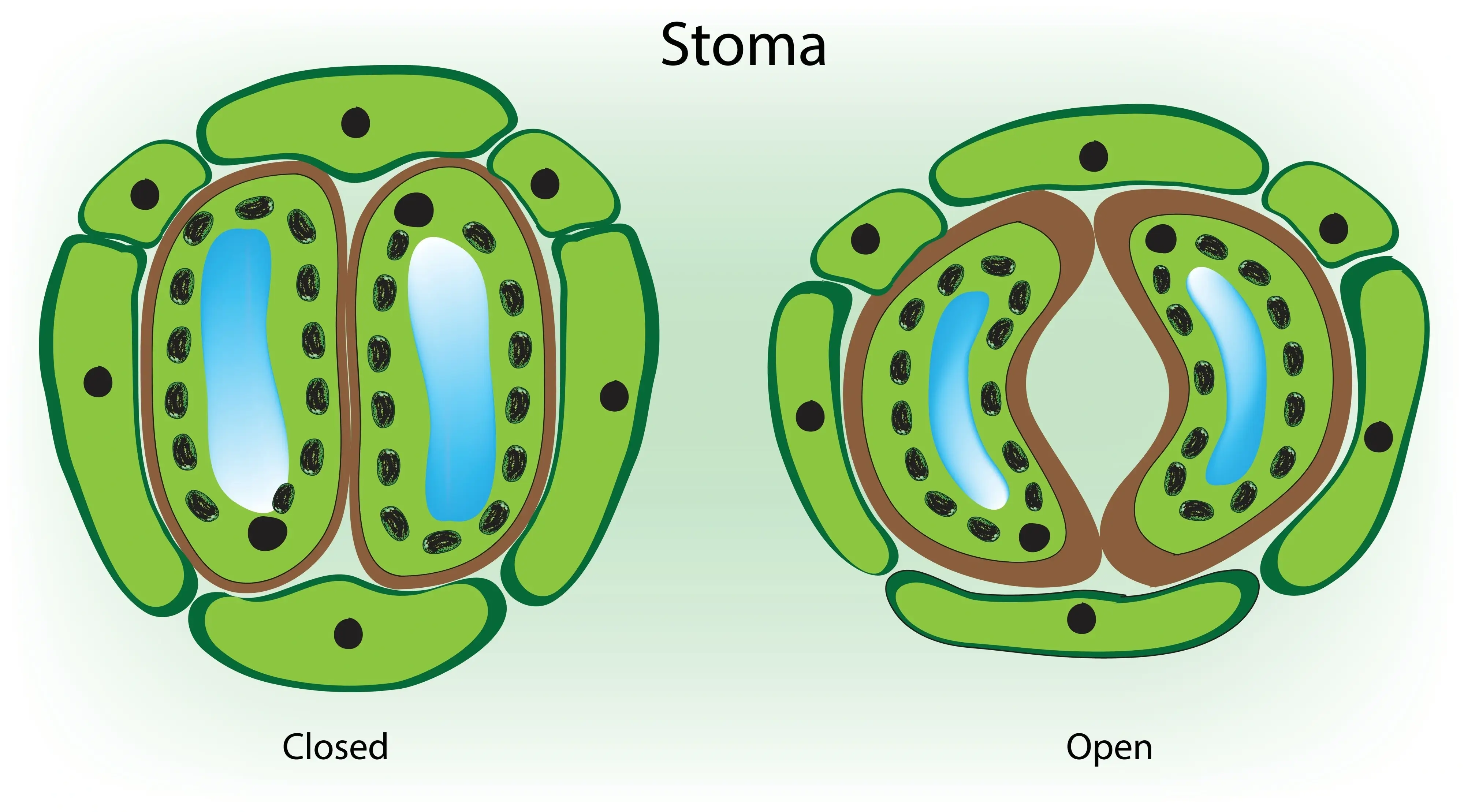
Answer — A
48. In an electric circuit, the ammeter is always connected in:
(A) Parallel (B) Any way (C) Series (D) None of these
Answer — C
49. Vegetative propagation refers to the formation of new plants from:
(A) Stem, roots, and flowers (B) Stem, roots, and leaves (C) Stem, flowers, and fruits (D) Stem, leaves, and flowers
Answer — B
50. The material used for the filament of an incandescent bulb is:
(A) Tungsten (B) Copper (C) Aluminium (D) Nichrome
Answer — A
CBSE Class 10 Science Answer Key
| Q. No. | Answer | Q. No. | Answer | Q. No. | Answer | Q. No. | Answer | Q. No. | Answer |
| 1 | B | 11 | B | 21 | B | 31 | A | 41 | C |
| 2 | C | 12 | C | 22 | B | 32 | B | 42 | C |
| 3 | C | 13 | B | 23 | C | 33 | C | 43 | B |
| 4 | B | 14 | B | 24 | D | 34 | D | 44 | A |
| 5 | B | 15 | D | 25 | A | 35 | A | 45 | B |
| 6 | A | 16 | B | 26 | B | 36 | C | 46 | D |
| 7 | C | 17 | C | 27 | B | 37 | B | 47 | A |
| 8 | C | 18 | C | 28 | D | 38 | C | 48 | C |
| 9 | C | 19 | D | 29 | A | 39 | B | 49 | B |
| 10 | C | 20 | C | 30 | C | 40 | B | 50 | A |
All 50 questions formatted with answers. Would you like me to also create chapter-wise grouping or add explanations for any of these questions?
---
👉 Also Check - CBSE 10 Science Important Questions 2026-27: Mark Wise (1, 2, 3, 5 Marks) Free PDF
👉 Also Check - CBSE 10th Science Exam 2026-27: Important Assertion/Reason Questions with Answer



 Home
Home
 Quiz
Quiz
 Short News
 Web Story
 Get latest Exam Updates